All properties age, and so do the systems that keep them running. With fast-advancing technologies that boost efficiency, outdated systems can mean bigger utility bills and lower tenant satisfaction. While it may seem like your electrical, plumbing, and HVAC systems are working fine, you might not be spotting the warning signs that point to issues in the future.
Ignoring them or not knowing what the signs are will negatively impact your business. It can result in emergencies during inconvenient times, and those typically come with higher repair costs. By learning the warning signs, you can act proactively to protect your investment and your residents.
Key Highlights:
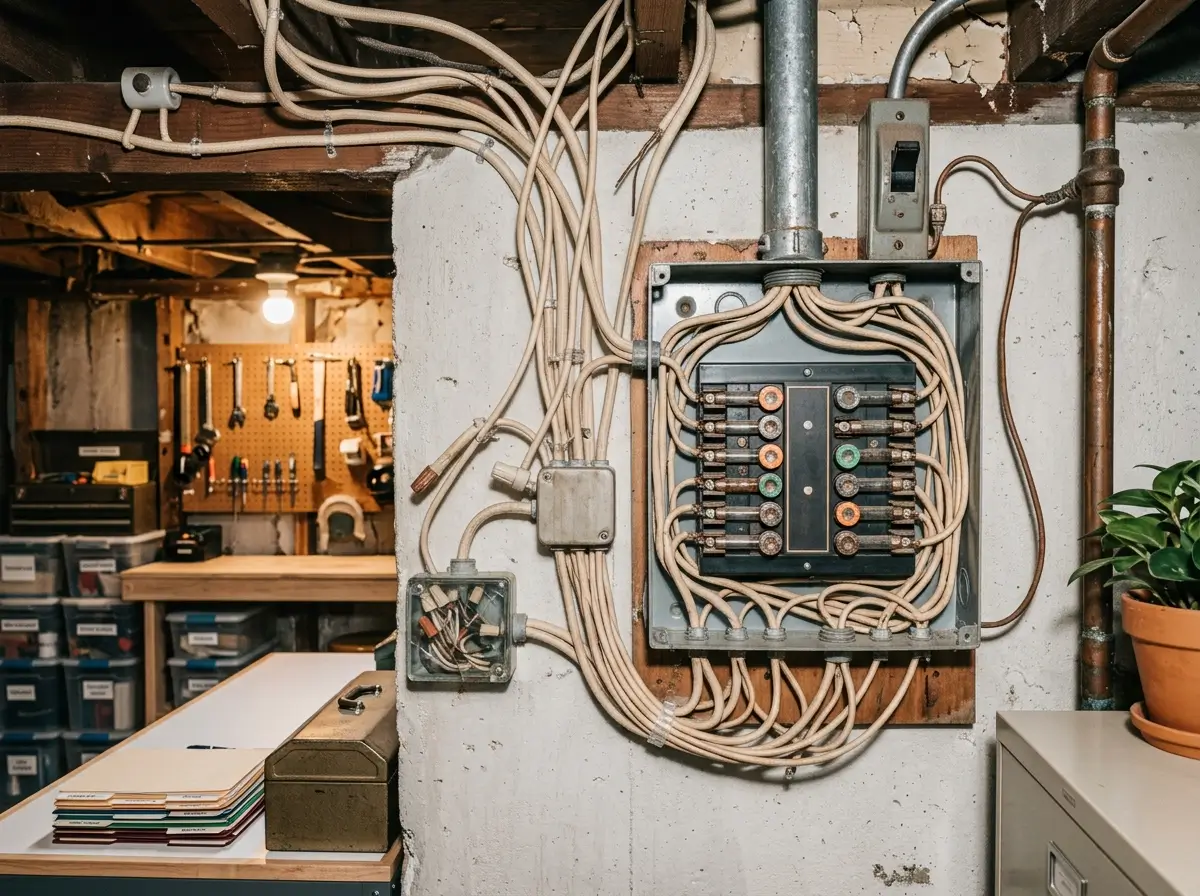
- Electrical issues are the most dangerous. Two-prong outlets, frequently tripping breakers, aluminum wiring, and burning smells can all point to outdated wiring and a real fire risk.
- Plumbing problems build up gradually but cost just as much. Musty odors, low water pressure, rusty water, and clogged drains can lead to water damage, foundation issues, and mold.
- HVAC systems last about 15 to 25 years. Past that point, expect more frequent repairs, higher energy bills, uneven temperatures, and strange noises.
- Warning signs help you act before an emergency. Catching problems early avoids costly repairs at inconvenient times and protects tenant satisfaction.
- Upgrade in stages, not all at once. Start with a professional inspection, then prioritize tenant safety, then costly repair risks, then efficiency and tenant appeal, spreading projects across several years.
1. Electrical Warning Signs
Electrical systems are among the most important to keep current, given how failures can be extremely dangerous. It’s not just about malfunctioning appliances. Faulty wiring can lead to electrical fires, which put your tenants in harm’s way.
- Outdated Outlets: Start with the basics, like outlets. Two-prong outlets are a clear sign of older wiring that wasn't designed for modern appliances, laptops, and chargers. If tenants have to use extension cords and power strips, that may limit the capacity they can use.
- Breakers Tripping Often: If you find that your breakers trip frequently, it means that they’re cutting off the flow of electricity to prevent overheating. Check if the outlets are warm to the touch, and immediately call an electrician if they are.
- Old Wiring: Older buildings that were built before the 1960s and 1970s could have aluminum wiring and deserve particular attention since it can loosen at connections and create fire risks down the road.
- Burning Smell: A burning smell in an electrical system means that components or wiring are overheating, which can be caused by thermal decomposition. This is an early stage of a fire hazard, so resolve it as quickly as you can.
2. Plumbing Warning Signs
Plumbing issues rarely stay isolated, and failing to address them can lead to issues like water damage, foundation issues, and mold growth. While it’s not as urgent as electrical problems, it still deserves attention. The issues it can cause can be more gradual, but they can be just as expensive. Look out for:
- Musty Odors: This can signal excess moisture within walls, ceilings, and floors, which is already causing mold growth.
- Low Water Pressure: If this happens throughout the property, it could mean that a portion of your water supply is being wasted on significant leaks. It can also be caused by old, corroded, or mineral-clogged pipes.
- Rusty or Discolored Water: Corrosion can also make running water turn rusty or discolored, which is dangerous on so many levels. This requires a lot more than simple cleaning, and replacements will be worth the investment.
- Clogged Drains: Just as leaky, corroded, or mineral-clogged pipes can restrict water flow it also does the same for drainages. This can cause major inconveniences, especially with toilets and kitchen sinks.
3. Heating and Cooling Warning Signs
HVAC systems typically last 15 to 25 years, depending on the type, your property’s location, and how well they've been maintained. Once it exceeds that lifespan, you will begin experiencing problems that you never had to deal with before.
- Rising Repair Frequency: You will begin scheduling repairs more often, and a single major fix can cost half as much as the unit itself. This is natural and inevitable in all systems.
- Spiking Energy Bills: Despite usage patterns staying the same, energy bills can spike since the heating or cooling unit is losing efficiency, and it has to work harder just to keep the room at a comfortable temperature.
- Uneven Temperatures: Certain rooms will feel hotter or colder than others because the aging blower or compressor can no longer push air evenly through the ductwork. This can mean constant adjustments to the thermostat, which also contributes to high energy bills.
- Strange Noises: If you hear grinding, banging, or buzzing sounds, a component may be loose, worn out, blocked, or experiencing electrical or mechanical failure. This can still happen to new units, but it is more common in older and outdated HVAC systems.
Making a Plan
Spotting outdated systems doesn’t necessarily mean replacing everything at once. That can burn through your income and cash reserves. Instead, schedule a professional inspection to learn the actual condition of the electrical, plumbing, and HVAC systems.
Prioritize issues that risk the safety of your tenants first, followed by problems that can lead to expensive repairs. Efficiency and tenant appeal should be the last priority. To avoid capital expenditures that may cripple your finances, it's best to spread these projects across several years.
FAQs
What is the biggest warning sign of outdated electrical systems?
- A burning smell is the most urgent. It means components or wiring may be overheating, which is an early stage of a fire hazard, so it should be resolved as quickly as possible.
Why do my breakers keep tripping?
- Breakers trip to cut off electricity and prevent overheating. If it happens often, check whether the outlets feel warm to the touch, and call an electrician right away if they do.
Are two-prong outlets a problem?
- Yes. They signal older wiring that was not designed for modern appliances, laptops, and chargers. If tenants rely on extension cords and power strips, the capacity may be too limited.
Delaying the Inevitable Through Efficient Property Management
Landlords have been prolonging the lifespan of their systems through proper management practices, such as routine inspections and regular maintenance. It’s understandably tedious and overwhelming for just one person, which is why companies like Innovate Realty NJ are hired by rental property owners.
With our resources, experience, and connections, you can rest assured that your electrical, plumbing, and HVAC systems are taken care of. We can extend their functionality, and when replacements become necessary, we also have a reliable network of vendors to handle it.
Contact us and take the stress of property management off your plate.
More Resources:
What Can a Landlord Look at During a Rental Inspection in Mount Laurel, NJ?
Top Signs You Need Landlord Rescue Services in Mount Laurel, NJ